

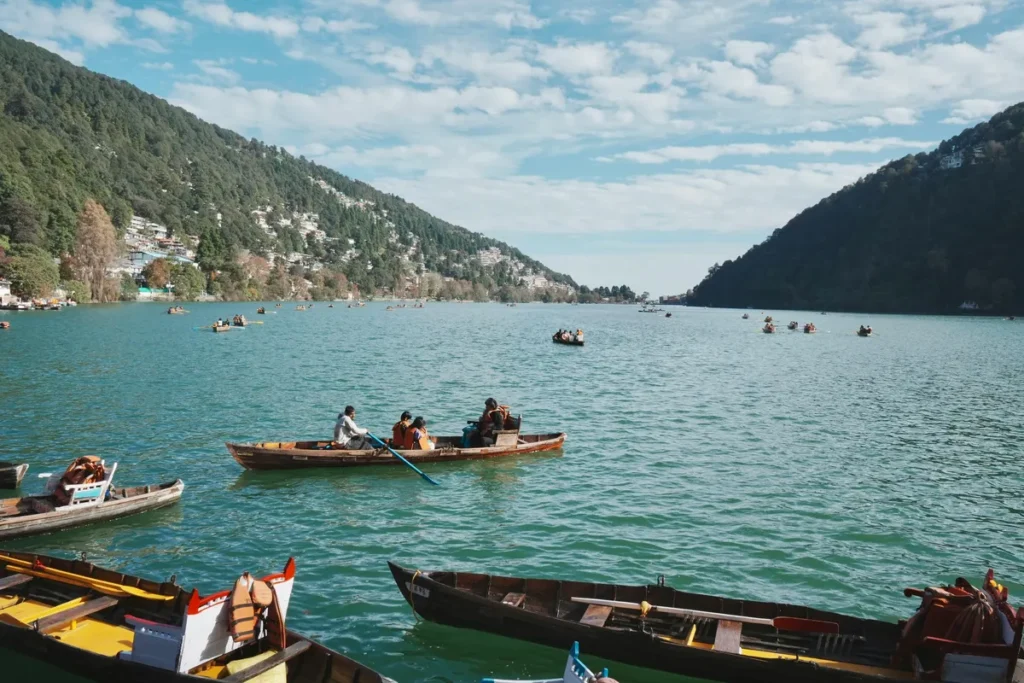
Why Timing Matters in Nainital
If there’s one thing I’ve learned after multiple visits to the charming lake town of Nainital, it’s this — when you visit makes all the difference in how you experience it. Nestled in the Kumaon hills of Uttarakhand, Nainital isn’t just a destination; it’s a mood that changes with the seasons. Each time of year brings its own shade of beauty — from snow-dusted pine trees and frozen lakes to golden sunshine glistening over calm waters.
When people ask me, “What’s the best time to visit Nainital?” I always smile, because the answer really depends on what you’re looking for. Do you dream of waking up to a white winter morning, snowflakes resting gently on rooftops, and the crisp mountain air brushing against your face? Or do you picture yourself sitting by Naini Lake under a soft summer sun, sipping chai as colorful boats glide across the water?
The beauty of Nainital lies in its contrasts. It’s a place that feels completely different depending on the month you arrive. In winter, the town turns into a snow lover’s paradise, with misty mornings and cozy evenings by the fire. Come summer, and the same streets buzz with life — local markets filled with laughter, tourists exploring viewpoints, and children feeding ducks at the lakeside. The monsoon months, on the other hand, wrap the town in a blanket of mist, making it feel mysterious and romantic, though not always ideal for outdoor adventures.
As a traveler, I’ve explored Nainital in every season — sometimes for a quiet writing retreat in the chill of January, other times for warm hikes through pine forests in May. Each visit offered something new. That’s why this guide from The Nainital Guide isn’t just about weather charts or temperature data — it’s about helping you feel what Nainital is like through the year, so you can choose your perfect moment to experience it.
In this detailed travel guide, we’ll dive into the Best Time to Visit Nainital, season by season — from its snow-covered winters to its sunlit summers. You’ll find insights on what to expect each month, how the weather affects travel, and when to plan your visit depending on whether you love snow, sunshine, or quiet escapes.
By the end, you’ll have a clear idea of when to go — not just based on the calendar, but on what kind of traveler you are. Whether you’re chasing snowfall for that perfect Instagram shot, planning a honeymoon under the stars, or simply longing for cool mountain air away from the city heat, Nainital has its moment waiting for you.
So grab a cup of coffee, and let’s journey through the seasons of Nainital together — with The Nainital Guide helping you find your perfect time to visit this timeless hill retreat.
Overview of Nainital’s Climate – What the Weather Feels Like Through the Year
Before you plan your trip, it’s important to understand one simple truth about Nainital: the weather here has a personality of its own. Perched at an altitude of around 2,000 meters (6,600 feet) in the Kumaon region of Uttarakhand, this beautiful hill town enjoys a cool, temperate climate almost all year round. That’s what makes it such a beloved escape for travelers from Delhi, Lucknow, and beyond who come seeking mountain air and serenity.
But unlike plain regions, the weather in Nainital doesn’t follow predictable patterns. A bright sunny morning can quickly turn misty by afternoon, and a drizzle might surprise you just when you least expect it. That’s the charm of the hills — the unpredictability that keeps every moment fresh.
If you’re visiting for the first time, you’ll notice how the climate changes subtly with altitude. The lake area (the main town) feels slightly warmer than the higher viewpoints like Snow View, Tiffin Top, or Naina Peak, where the air gets crisp and breezy. Even during summer, evenings can get surprisingly cool, so it’s always smart to carry a light jacket.
For a practical plan to make the most of your time here, you can also check out our 2-Day Nainital Itinerary – Perfect Weekend Trip Plan, which guides you through key sights, viewpoints, and local experiences based on the season you visit.
Average Temperatures in Nainital
Here’s a quick overview of what to expect across the seasons:
- Summer (March to June):
Days are pleasant, averaging between 15°C to 27°C, with clear skies and refreshing breezes. This is the ideal time for sightseeing, boating, and leisurely walks around the lake. - Monsoon (July to September):
Temperatures range from 12°C to 20°C, but heavy rain can cause misty views, landslides, or travel delays. Still, if you love greenery and quiet surroundings, monsoon has its own romantic appeal. - Autumn (October to November):
Crisp air, clear skies, and golden light make this one of the most photogenic times of the year. Temperatures hover between 10°C and 22°C, perfect for photographers and peace seekers. - Winter (December to February):
Expect 0°C to 10°C during the day and sub-zero nights, especially in January. Snowfall usually graces the town between late December and February, transforming Nainital into a fairy-tale setting.
The Magic of Changing Seasons
What’s truly special about Nainital is how its mood shifts with the seasons. In summer, the town sparkles with activity — tourists boating, children eating ice cream along the Mall Road, and local markets buzzing with color. Come winter, and the same streets wear a sleepy, peaceful vibe as snowflakes dust rooftops and chimneys.
Even the lake mirrors the seasons beautifully — shimmering emerald in summer, wrapped in mist during monsoon, and sometimes reflecting the snowy hills in winter. No matter when you go, Nainital’s charm lies in this natural rhythm of change.
Understanding the Nainital weather not only helps you pack better but also shapes what kind of experience you’ll have. Some travelers crave the warmth of sunshine and open skies, while others wait all year for that magical moment when snow falls quietly over the hills. To plan your visit perfectly, check out our Best Time to Visit Nainital guide, which dives into each season, helping you choose the ideal time based on your preferences.
Month-by-Month Weather Guide – How Nainital Feels in Every Season
If you ask ten travelers about their favorite time in Nainital, you’ll probably get ten different answers. And that’s because every month brings something special — from snow-draped pine forests in January to golden evenings in October.
Here’s a detailed month-by-month guide to help you understand what Nainital truly feels like through the year, so you can pick your perfect travel window. Whether you’re chasing the tranquility of a quiet winter morning, the lively buzz of summer markets, or the misty romance of monsoon clouds, knowing what to expect each month can make your trip far more memorable.
For a closer look at when to plan your Nainital getaway, check out our complete seasonal guide — it’s packed with insights on weather, festivals, and tips to make the most of your visit.
March to June – The Summer Charm
Temperature: 15°C to 27°C
Vibe: Sunny, lively, and pleasantly cool
By March, Nainital begins to shake off its winter chill. The town wakes up to blooming rhododendrons and a gentle warmth in the air. Days are long, skies are blue, and the lake sparkles like glass. If you’re visiting between March and June, you’ll get ideal weather for sightseeing, photography, and leisurely strolls along Mall Road.
This is also when most of the viewpoints like Tiffin Top, Snow View Point, and Naina Peak are easily accessible — no snow-blocked trails, no slippery paths. You can even take a peaceful boat ride on Naini Lake or enjoy paddle boating as the sun sets behind the hills.
However, summer also brings peak tourist season, especially in May and early June. Hotels fill up quickly, and prices can surge, so it’s best to book accommodations early. If you’re someone who loves energy, crowds, and a cheerful holiday atmosphere, summer is your season.
July to September – The Monsoon Magic
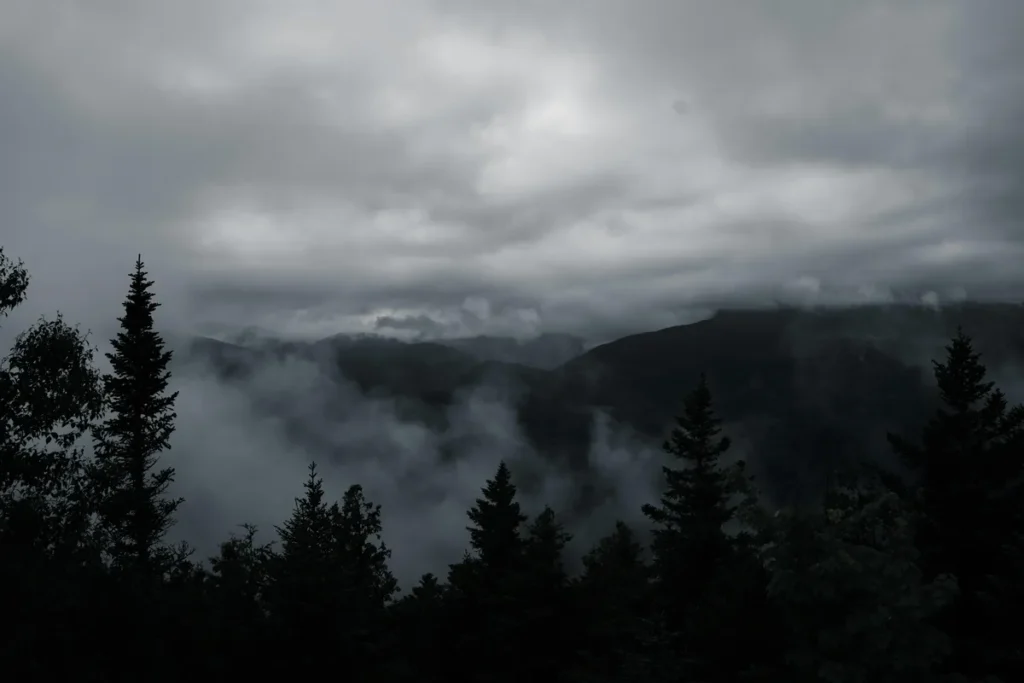
Temperature: 12°C to 20°C
Vibe: Misty, quiet, and deeply romantic
Monsoon paints a very different picture of Nainital. The hills turn lush green, waterfalls come alive, and the earthy smell of rain fills the air. While this is a less popular time for tourists due to frequent showers and occasional landslides, it’s pure bliss for solitude seekers and photographers.
If you’re someone who enjoys sipping chai while watching clouds roll over the lake, July to September might be your secret sweet spot. The crowds thin out, hotel rates drop, and the entire town feels slower — more personal.
Do keep in mind that heavy rains can sometimes disrupt travel, especially if you’re driving from Kathgodam or Delhi. It’s wise to check the forecast before setting out and plan flexible itineraries.
October to November – Autumn Tranquility
Temperature: 10°C to 22°C
Vibe: Clear, calm, and beautifully balanced
Autumn in Nainital is one of the most underrated seasons. After the monsoon washes everything clean, the air turns crisp and clear. The views of the surrounding peaks are spectacular — the kind that make you stop mid-walk just to take it all in.
This is also the perfect time for photographers and trekkers. The trails are dry, the sky is cloudless, and sunsets are a golden dream. The post-monsoon glow on Naini Lake makes evening walks truly magical.
The best part? It’s not too crowded. You can enjoy peace without feeling isolated. Many travelers who’ve seen Nainital in every season say October and early November strike the perfect balance between weather, visibility, and calmness.
December to February – Winter & Snowfall Season
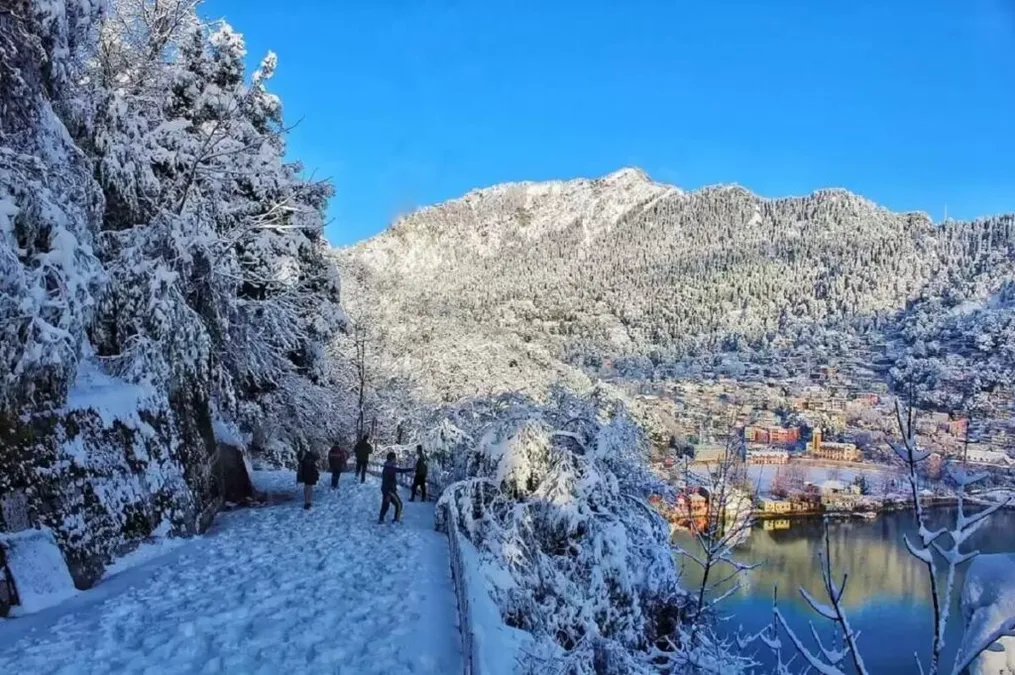
Temperature: 0°C to 10°C (can drop below freezing at night)
Vibe: Serene, cozy, and magical
If snow is what you’re after, winter is the best time to visit Nainital. The town transforms into a winter postcard — snow-covered roofs, frosty mornings, and the kind of stillness you can only find in the mountains.
January is historically the most reliable month for snowfall, though flurries often begin in late December and can continue into February. When western disturbances pass through, you might wake up to a blanket of snow — the kind that turns even short walks into unforgettable experiences. For exact predictions, dates, and travel tips, check out our Nainital Snowfall Time 2026 – Best Dates & Travel Advice guide, which helps snow lovers plan their trip perfectly.
My favorite part of winter in Nainital is the quiet. The usual tourist buzz fades, replaced by the crunch of snow under your boots and the distant sound of church bells from St. John in the Wilderness. Evenings are made for cozy cafés, hot soup, and bonfire chats.
If you’re planning a winter trip, pack warm layers, boots, gloves, and some patience — roads can occasionally get slippery. But for snow lovers, that first sight of flakes falling over Naini Lake is worth every bit of it.
In Short:
| Month | Season | What to Expect | Ideal For |
|---|---|---|---|
| March – June | Summer | Clear skies, cool weather | Sightseeing, family trips |
| July – Sept | Monsoon | Green hills, occasional rain | Photography, quiet retreats |
| Oct – Nov | Autumn | Crisp air, best visibility | Peaceful travel, trekking |
| Dec – Feb | Winter | Snow, cold nights | Snowfall, cozy stays |
The Best Time to Visit Nainital for Snow
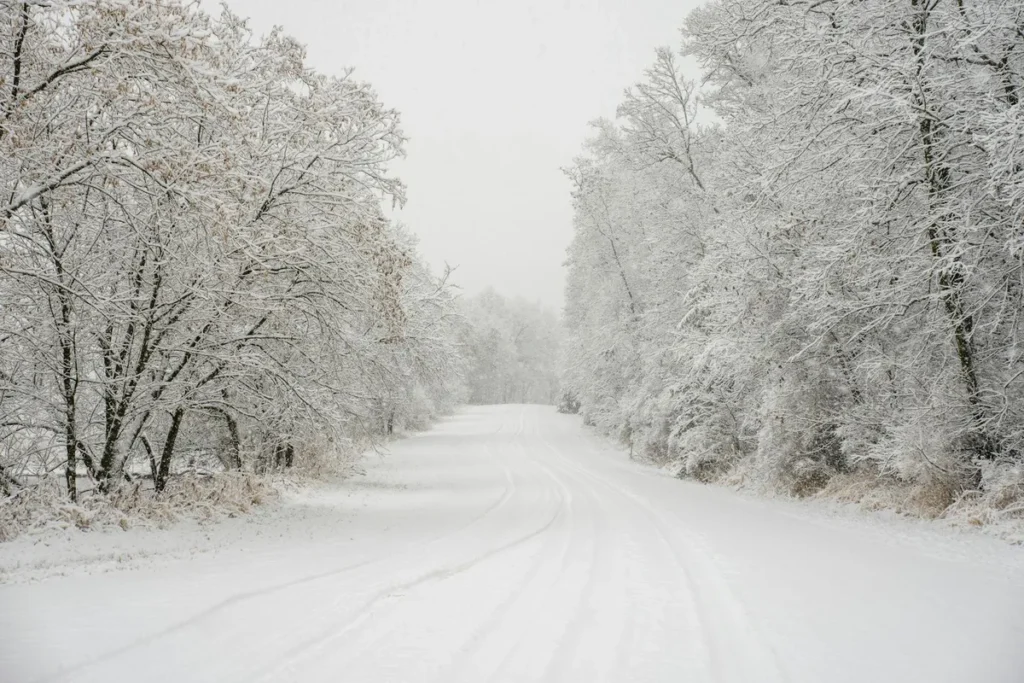
If you’ve ever dreamed of watching snowflakes drift gently down onto a quiet Himalayan town, then Nainital in winter will steal your heart. For many travelers — myself included — this is the most magical time to visit. There’s something about the chill in the air, the scent of pine, and the crunch of fresh snow underfoot that makes it feel like you’ve stepped into another world.
For those planning a winter getaway, you can also check out our guide to snowfall in Nainital 2026, which shares the best dates, weather tips, and advice to make the most of your snowy adventure.
When Does It Snow in Nainital?
Based on weather patterns and past records, the best time to visit Nainital for snow is between late December and mid-February. Snowfall usually begins toward the end of December, often around Christmas or New Year, and continues intermittently through January.
January is considered the peak snowfall month — the time when the town and surrounding hills are most likely to receive consistent snow. The intensity varies each year, depending on western disturbances and temperature drops, but even a light dusting can make the entire town sparkle.
By February, snowfall becomes lighter and less frequent, yet the chill remains in the air, with the surrounding peaks still capped in white. It’s a wonderful time for those who prefer quieter streets and gentler winter scenes.
Where to Experience Snow in Nainital
While the main town itself often gets snow, some higher areas receive heavier snowfall and create postcard-perfect views. Here are my favorite spots:
- Snow View Point: True to its name, this spot often lives up to the promise. It offers panoramic views of the snow-covered Himalayan range and the valley below.
- Naina Peak (Cheena Peak): The highest point in Nainital, often blanketed in snow during January. The short trek to the top feels magical when surrounded by frosted pine trees.
- Tiffin Top: Also called Dorothy’s Seat, it’s another scenic viewpoint that sometimes catches a light layer of snow. The walk up from Ayarpatta is quiet and beautiful after fresh snowfall.
- Eco Cave Gardens: While not a high-altitude spot, the caves and surrounding area look enchanting with a sprinkle of snow and fog.
If you’re visiting just for the snow experience, try staying for at least 3–4 days. Weather in the hills can change quickly — snowfall one day, bright sunshine the next — so a longer stay increases your chances of witnessing that picture-perfect moment.
Travel Tips for Snow Lovers
If this is your first winter trip to the hills, a bit of preparation goes a long way. Here are some simple tips to make your experience enjoyable and safe:
- Pack right: Carry warm layers, a good jacket, waterproof shoes, gloves, and a cap. The temperatures can dip below zero, especially at night.
- Plan your travel time wisely: Early mornings are the coldest, and evenings can get foggy. Traveling between 10 a.m. and 4 p.m. is safest.
- Stay central: Book accommodation near the Mall Road or the Lake area — this keeps you close to local shops, cafés, and easy transportation.
- Expect slow travel: Roads may get slippery after snowfall, so add buffer time for delays. But that’s part of the fun — the journey is as memorable as the destination.
- Enjoy local food: Don’t miss trying piping hot momos, Maggi by the lake, and traditional Kumaoni dishes that feel extra comforting in winter.
The Charm of Winter Evenings
My favorite part of winter in Nainital isn’t just the snow — it’s the atmosphere it brings. Evenings turn wonderfully quiet. The reflection of twinkling lights over frozen Naini Lake feels cinematic. You’ll see locals huddled near bonfires, tourists sipping hot chocolate, and cozy cafés playing soft music in the background.
If you’re into photography, early mornings after a snowfall are pure magic. The sun hits the snow-laden trees, making everything glisten. And if you love stillness, head out for a walk before the town wakes up — the silence, broken only by crunching snow beneath your boots, is unforgettable.
Pro Tip:
If you’re planning your trip specifically for snow, keep an eye on live weather updates in late December and January. Sites like IMD or local Nainital tourism pages often give reliable snowfall alerts. You can also check nearby high-altitude areas like Mukteshwar or Ramgarh, which sometimes get snow even when Nainital doesn’t.
So, if snowfall, cozy sweaters, and peaceful Himalayan mornings are your idea of a dream getaway, January is the best time to visit Nainital. The snow might melt in a few days, but the memories of those white mornings will stay with you forever.
The Best Time to Visit Nainital for Sunshine and Clear Views
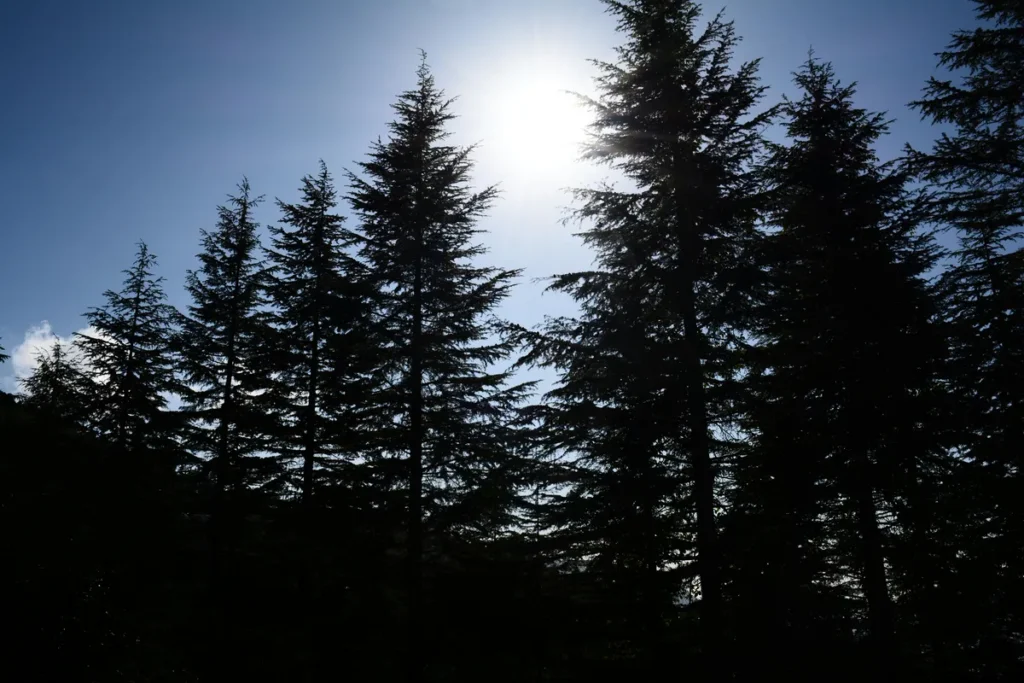
Not everyone comes to Nainital chasing snow. Some travelers, like me during my first visit, come for the sunlight shimmering on the lake, the easy pace of hill life, and those crystal-clear views of the mountains that seem close enough to touch.
If that sounds like your kind of trip, then the best time to visit Nainital for sunshine and clear skies is between March and June, and again from October to early November. These two periods offer mild weather, long days, and perfect conditions for sightseeing, nature walks, and photography.
March to June – The Season of Sunshine and Smiles
By March, the winter frost begins to fade and Nainital takes on a new life. Days grow longer, skies turn a deep blue, and the air feels just right — cool enough for comfort but warm enough for exploration. The hillsides burst into color with blooming rhododendrons and wildflowers, making every view look like a postcard.
It’s no wonder this is one of the most popular times for tourists. Families, honeymooners, and solo travelers flock here to escape the plains’ heat. You’ll see children feeding ducks by Naini Lake, couples rowing boats as sunlight dances on the water, and visitors enjoying lazy afternoons with ice cream along Mall Road.
During summer, you can comfortably explore Nainital’s classic attractions:
- Snow View Point – for panoramic Himalayan vistas under the clear sky
- Tiffin Top – a scenic picnic spot perfect for hikes and sunset views
- Naina Devi Temple – peacefully overlooking the lake
- The Ropeway – offering breathtaking aerial views of the town
The evenings are pleasantly cool, ideal for a walk around the lake or a cozy dinner at one of the town’s heritage cafés.
Travel Tip:
April and May are the busiest months. If you prefer a calmer experience, plan your visit in March or early June, before schools close for summer vacations. You’ll still get sunshine and clear skies but with thinner crowds.
October to November – Post-Monsoon Clarity
Just after the monsoon, Nainital undergoes a quiet transformation. The rains leave behind a sparkling clean landscape, and by October, the weather settles into a crisp, golden rhythm. This is one of my personal favorite times to visit — the crowds thin out, visibility improves dramatically, and the views of the distant snow peaks are simply spectacular.
The air feels fresh, the mornings are cool, and the lake reflects the hills like a mirror. The sky stays almost perfectly clear, making it ideal for photography and leisurely outdoor plans. If you’re into trekking or nature walks, trails like Naina Peak or Land’s End are at their best in this season — dry, green, and full of scenic stops along the way.
Another highlight of October-November is the light itself — the soft, golden sunshine that bathes the town during afternoons. If you’re a photographer, you’ll fall in love with the natural lighting. And if you’re someone who just enjoys peaceful moments, sitting by the lakeside with a book or a hot cup of tea feels almost meditative.
Why Sunshine Season Is Special
What I love about visiting Nainital during its sunny months is the sense of balance. The town feels alive but not rushed. You can explore comfortably without layers of heavy clothing, and everything — from hotel stays to road trips — feels easier.
This is also the time when the Nainital weather is most predictable. You won’t have to worry much about sudden rains or road closures, and every viewpoint, trek, and picnic spot is open. For first-time travelers, it’s the perfect introduction to hill station life.
If you’re visiting with family, sunshine season is ideal — kids can enjoy boating, horse rides, and ropeway trips without the chill of winter or the dampness of monsoon.
Bonus Tip:
Late October is especially beautiful when the skies are so clear that you can sometimes spot distant Himalayan peaks like Nanda Devi and Trishul glowing white against the horizon. Early mornings and late evenings offer the best visibility — bring your camera, and thank me later.
So, if you imagine Nainital as a sunlit, cheerful hill town with lake reflections and crisp mountain air, March to June and October to early November are your best bets. You’ll return with glowing photos, lighter layers, and a heart full of sunshine.
Crowd Levels and Travel Costs by Season
If there’s one thing every traveler quickly learns about hill stations like Nainital, it’s that the weather decides not just how the town looks, but also how busy it feels. The same quiet lane near Naini Lake that feels peaceful in January can be buzzing with laughter and chatter by May.
Knowing when crowds peak — and how travel costs fluctuate — can make a big difference in how you experience the town. Whether you’re the kind of traveler who enjoys lively streets or someone who prefers misty solitude, timing your visit right ensures you get the Nainital you’re looking for.
Summer (March to June): Peak Tourist Season
Crowd Level: High
Costs: Expensive (especially April–June)
Summer is when Nainital feels most alive — and also most crowded. With schools closed and plains heating up, thousands of families and honeymooners head to the hills to escape the heat. You’ll see long lines for boating, packed cafés, and traffic snaking up the winding roads, especially on weekends.
Hotel rates and taxi fares can rise by 30–50%, and last-minute bookings are often tough to find. Still, there’s something festive about the energy — street vendors selling roasted corn, evening strolls on Mall Road, and a lake shimmering with colorful boats.
Traveler Tip:
If you love the buzz but want to avoid chaos, visit in late March or early April, before the school holidays begin. You’ll still get sunny weather but with smaller crowds.
Monsoon (July to September): Quiet and Budget-Friendly
Crowd Level: Very Low
Costs: Cheapest of the year
Monsoon is when Nainital slows down — and that’s not a bad thing. The heavy rains keep most tourists away, which means lower hotel rates, quieter streets, and uncrowded cafés. You might even find lake-view hotels offering great discounts.
However, this season isn’t for everyone. Landslides can cause roadblocks, and boating may be suspended on very rainy days. That said, if you’re looking for a peaceful, romantic escape — or you just love the smell of rain in the mountains — this can be your hidden gem season.
I once visited Nainital in August, and it was like having the whole town to myself. Mist rolled over the lake, and the sound of rain on tin roofs made the evenings unforgettable.
Autumn (October to November): Calm and Comfortable
Crowd Level: Moderate
Costs: Reasonable to Mid-range
Autumn is Nainital’s sweet spot. The weather is clear, visibility is fantastic, and the summer rush is long gone. You’ll meet mostly nature lovers, photographers, and couples seeking peace rather than crowds.
Hotels lower their rates slightly after September, and you’ll find plenty of good deals even on lake-facing properties. It’s also the time when locals prepare for winter — the markets are calm, the cafés quieter, and the sunsets mesmerizingly golden.
Traveler Tip:
If you want a peaceful trip without compromising on great weather, October and early November are unbeatable.
Winter (December to February): Cozy and Selective
Crowd Level: Moderate (spikes around Christmas & New Year)
Costs: Mid to High during holidays, low in early/late season
Winter in Nainital has two faces. From late December to early January, the town sees a festive rush — visitors come hoping for snow and to celebrate Christmas and New Year’s amid the hills. Expect bonfires, music, and cozy cafés filled with travelers in warm jackets.
Once the holidays pass, though, the crowds disappear. Mid-January to February is peaceful and relatively budget-friendly, making it perfect for those chasing solitude and snow. You’ll often find great hotel deals, though it’s wise to book a property with heating or fireplace options.
Traveler Tip:
Avoid traveling right after heavy snowfalls unless you have experience driving in hilly conditions — but if you get snow while you’re there, it’s an unforgettable experience.
Quick Season Comparison:
| Season | Crowd Level | Cost | Best For |
|---|---|---|---|
| Summer (Mar–Jun) | High | Expensive | Families, first-time visitors |
| Monsoon (Jul–Sep) | Low | Cheapest | Peace, photography, romance |
| Autumn (Oct–Nov) | Moderate | Mid-range | Clear skies, relaxed travel |
| Winter (Dec–Feb) | Moderate | Varies | Snowfall, cozy stays |
Final Thought on Timing Your Trip
I’ve visited Nainital in both its busiest and quietest months — and each visit had its own charm. If you enjoy the festive hill station vibe, summer will delight you. But if your heart leans toward solitude, soft sunlight, or snow-dusted mornings, then late autumn and winter might be your perfect match.
Travel isn’t just about where you go; it’s also when you go. And in Nainital’s case, that timing can turn a simple trip into an experience you’ll remember for years.
Festivals and Local Events in Nainital – When the Hills Come Alive
While most travelers visit Nainital for its natural beauty — the lake, the hills, the misty mornings — what truly gives the town its soul are its festivals and local events. These celebrations reflect the heart of Kumaoni culture: colorful, spiritual, and deeply connected to nature.
If you’re planning your trip and wondering how to make it more meaningful, try timing it around one of Nainital’s major festivals. The weather may guide your travel plans, but these events will give you memories that last long after you’ve left.
1. Nanda Devi Fair (September) – A Celebration of Faith and Tradition
If you happen to be in Nainital in September, you’re in for a cultural treat. The Nanda Devi Fair is one of the most important local festivals, celebrated with devotion and joy. Dedicated to Goddess Nanda Devi, the protector deity of the Kumaon region, this week-long event brings the entire town together.
The fair takes place near the Naina Devi Temple, right by the lake, where devotees carry colorful idols in a traditional procession accompanied by music, chants, and dancing. Local markets fill with stalls selling handmade crafts, woolens, and delicious local snacks like bhatt ki churkani and bal mithai.
As someone who stumbled upon this fair unexpectedly during one of my September trips, I can tell you — it’s a magical blend of spirituality, community, and color. Watching the lamps flicker by the lakeside at night during aarti is a sight you’ll never forget.
2. Nainital Winter Carnival (December) – Snow, Music, and Merriment
If you’re planning to visit during December or early January, the Winter Carnival is something you shouldn’t miss. Organized by the tourism department, this three-day celebration welcomes the New Year with music, dance performances, and cultural programs that showcase the region’s heritage.
The town gets decked up in lights, and the chill in the air only adds to the festive vibe. You’ll find live concerts, local food stalls, and street performances filling the Mall Road with energy. It’s a wonderful mix of tradition and fun — the perfect way to experience winter in the hills.
If you’re lucky, you might even get snowfall during the event, making it even more picture-perfect.
3. Summer Festival (May–June) – When Nainital Blooms with Color
When the sun shines high and the lake glistens like silver, Nainital hosts its famous Summer Festival, usually in May or early June. This event is full of life — with boat races on Naini Lake, folk dance performances, art exhibitions, and even adventure sports competitions.
The idea is to celebrate the summer season, the spirit of the locals, and the beauty of the hills. For families and first-time visitors, this is one of the best times to experience the town’s cheerful side. The evenings end with fireworks over the lake, and the reflections are just stunning.
Pro tip: Book your stay in advance — hotels near the lake get sold out quickly during this festival.
4. Other Notable Events
- Sharadotsav (Autumn Festival): Celebrated post-monsoon, it marks the harvest season and features cultural performances, local food fairs, and traditional games.
- Christmas & New Year Celebrations: Nainital’s colonial charm shines brightest during Christmas. The churches, especially St. John in the Wilderness and St. Francis, hold midnight masses, and the entire Mall Road sparkles with festive lights.
- Republic Day & Independence Day Parades: If you visit in January or August, you’ll witness school parades, local band performances, and flag hoisting ceremonies — simple but heartfelt celebrations.
Why Festivals Are the Best Time to Visit
What makes these festivals so special isn’t just the events themselves but the way the town transforms during them. Streets buzz with life, locals open up with stories, and the connection between travelers and residents feels warm and genuine.
If you’re someone who loves blending culture with your travel plans, aligning your visit with one of these festivals is the best decision you can make. You’ll not only enjoy the weather but also feel part of something timeless — the rhythm of life in the hills.
Insider Tip:
Combine your festival trip with nearby explorations — like visiting Bhimtal, Sattal, or Mukteshwar, which often host small local fairs around the same time. These quieter, lesser-known celebrations give you an even deeper look into the Kumaoni way of life.
Travel Tips for Every Season – How to Plan Smart and Travel Smooth
If there’s one thing I’ve learned from visiting Nainital multiple times, it’s that the town rewards those who come prepared. The weather can shift quickly, roads can surprise you, and small things — like what you pack or where you stay — can make a big difference.
Whether you’re heading here for snow, sunshine, or simply to unwind by the lake, these season-specific travel tips will help you make the most of your Nainital trip.
Summer (March to June): Sightseeing, Picnics, and Hill Breezes
Weather: Pleasant during the day (15°C–27°C), cooler in evenings
Summer is when Nainital is at its liveliest. The air feels refreshing, the skies stay clear, and every viewpoint is open. But with great weather comes great crowds — so planning ahead is essential.
Tips for Summer Travelers:
- Book early: Hotels near the lake and Mall Road fill up fast. Aim to reserve 2–3 weeks in advance.
- Pack light layers: Days are warm, but evenings still get chilly. Carry a light jacket or shawl.
- Start early: Popular spots like Snow View and Naina Peak get crowded by mid-morning. Start sightseeing before 9 a.m.
- Stay hydrated: The mountain sun can be deceptive. Carry water when walking long distances.
- Try offbeat cafés: Skip the main strip once in a while — explore cozy hillside cafés tucked behind Mallital or Ayarpatta.
Monsoon (July to September): Mist, Greenery, and Peace
Weather: Cool (12°C–20°C) with regular rain showers
Monsoon in Nainital isn’t everyone’s cup of tea — but for those who love solitude and romance, it’s heaven. The hills glow green, waterfalls flow freely, and the lake takes on a dreamy misty look.
Tips for Monsoon Travelers:
- Pack rain gear: A waterproof jacket, umbrella, and non-slip shoes are musts.
- Plan flexible days: Rains may disrupt travel plans — carry a book or playlist for lazy afternoons indoors.
- Avoid late-night drives: Mountain roads can get slippery in rain. Try to reach your hotel before sunset.
- Embrace the mood: Visit cafés overlooking the lake, enjoy local soups, and listen to the rain. It’s incredibly peaceful.
Autumn (October to November): Crisp Air and Clear Skies
Weather: Perfectly balanced (10°C–22°C)
This is the photographer’s season. The air is clear, visibility is high, and sunsets paint the hills in gold. It’s also less crowded, making it ideal for relaxed exploration.
Tips for Autumn Travelers:
- Perfect for trekking: Trails like Naina Peak and Tiffin Top are dry and scenic.
- Dress in layers: Mornings can be cool, afternoons warm — flexibility is key.
- Catch the golden light: For stunning photos, head to the lake around 4:30–5:00 p.m.
- Try local festivals: You might catch the tail end of Sharadotsav or other post-harvest celebrations.
Winter (December to February): Snowfall and Cozy Escapes
Weather: Cold (0°C–10°C), often below freezing at night
Winter is the most enchanting yet unpredictable season in Nainital. You might wake up to bright sunshine one day and snowfall the next — that’s part of the charm.
Tips for Winter Travelers:
- Pack warmly: Heavy jackets, gloves, mufflers, and waterproof shoes are non-negotiable.
- Stay central: Roads in upper areas can get icy. Hotels near the lake are more accessible.
- Drive cautiously: If you’re driving from Kathgodam or Delhi, check road conditions in advance.
- Carry essentials: Power banks, flashlights, and thermos flasks can come in handy during long, chilly evenings.
- Enjoy the warmth: Visit a café with a fireplace — like those in Ayarpatta — and sip hot chocolate while watching the snowfall outside.
General Travel Tips for All Seasons
- How to Reach:
The nearest railway station is Kathgodam (about 34 km away), well connected to Delhi, Lucknow, and Dehradun. From there, taxis and shared cabs take 1–1.5 hours to reach Nainital. - Best Way to Get Around:
Walking is the best way to explore the lake area. For nearby spots, hire a local cab or shared jeep. - ATMs & Connectivity:
Network coverage is good, but keep cash handy — smaller cafés and local shops may not accept cards or UPI. - Responsible Travel:
Avoid littering, use reusable water bottles, and respect local customs. Nainital’s beauty depends on travelers helping to preserve it. - Food You Must Try:
Don’t miss bal mithai, aaloo ke gutke, and steaming Maggi at one of the hill cafés overlooking the valley.
Pro Tip:
If you want to combine experiences, plan your visit between late February and early March or late October. You might catch the tail end of snow or the first burst of sunshine — a little of both worlds, perfectly balanced.
Insider Advice – Hidden Gems, Photography Spots & Personal Recommendations
Nainital has its well-known charms — the lake, the Mall Road, Snow View Point — but as someone who’s wandered these hills multiple times, I can tell you the real magic lies in the hidden corners and quiet spots. Exploring beyond the typical tourist trail gives you a chance to feel the town’s soul, discover peaceful views, and capture memories that few others have.
Here are my top insider tips from years of Nainital travels.
1. Offbeat Viewpoints and Quiet Trails
- Peora Top: Less visited than Snow View, this hilltop offers breathtaking panoramic views of Nainital and the surrounding valleys. Early morning here, with mist rolling over the hills, feels like a dream.
- Hanuman Garhi: While it’s somewhat known, most tourists rush past it. The temple provides a serene atmosphere and incredible sunset views over the town.
- Eco Cave Gardens: Beyond the main lake, these caves are fun to explore and less crowded in the mornings. Kids and adults both enjoy the natural rock formations.
2. Photography Hotspots
- Early Morning by Naini Lake: The reflections of mountains and colorful boats in calm water make for stunning shots. Mist in the morning adds a magical layer.
- Tiffin Top / Dorothy’s Seat: Perfect for sunrise photography. The light hitting the hills creates a golden glow over the town.
- Mall Road at Twilight: After the day tourists leave, the soft lights on the street and the peaceful lake create a cinematic scene.
Pro Tip: Always carry a small tripod for stable shots — especially during winter mornings or sunset hours.
3. Hidden Cafés and Local Eateries
- Skip the main Mall Road cafés during peak hours and explore little gems tucked away in Ayarpatta or Tallital.
- Café by the Lake: Offers a quiet corner and warm chai with a perfect view of the water.
- Local Street Food: Don’t miss bhatt ki churkani, bal mithai, and fresh momos from family-run stalls — authentic, inexpensive, and delicious.
4. Lesser-Known Activities
- Boating at Early Hours: Many tourists wait until noon, but the calm, reflective lake in the morning is unmatched.
- Nature Walks Beyond Town: Trails towards Sattal or Bhimtal are peaceful and give you a chance to spot local birds and wildlife.
- Photography Walks in Winter: Snow-covered paths offer serene opportunities for landscape and macro shots of frost patterns.
5. Personal Recommendations
- If you want a balance of snow and sunshine, plan your visit in late December or early March. You might catch the tail end of snow while enjoying sunny days.
- Avoid weekends if you prefer solitude — weekdays in Nainital are much quieter, even during peak season.
- Carry reusable water bottles, snacks, and a small first-aid kit — mountain trips often have small surprises, and being prepared keeps the experience smooth.
- Talk to locals — shopkeepers, guides, and café owners often share secret spots that aren’t on Google Maps. I once discovered a tiny sunset point near Lal Pani purely from chatting with a local family.
Why Insider Knowledge Matters
Visiting Nainital isn’t just about ticking off attractions. The true experience comes from wandering, noticing, and feeling — whether it’s watching the first snowfall, sipping tea in a quiet café, or catching a rare glimpse of Himalayan birds. These insider tips let you live the town in a way most travelers miss.
Final Verdict – Choosing the Best Time to Visit Nainital for You
After exploring Nainital’s weather, snowfall, sunshine, festivals, crowd levels, and hidden gems, the question remains: when should you go? The answer depends entirely on what kind of experience you’re seeking.
1. If You’re Chasing Snow
- Best Months: Late December to mid-February
- Highlights: Snowfall, cozy winter vibes, misty mornings, quiet streets
- Tips: Pack warm layers, stay near the lake, and plan 3–4 days for maximum snow chances
- Why Go: January is peak for snow — the town transforms into a winter wonderland, perfect for photographers, couples, or anyone who loves the magical calm of snowy mornings
Insider Note: Even light flurries make Nainital feel like a fairy tale. For the ultimate winter experience, pair your visit with the Winter Carnival or a local festival in December.
2. If You Prefer Sunshine and Clear Views
- Best Months: March to June & October to early November
- Highlights: Pleasant temperatures, clear skies, lake reflections, trekking trails
- Tips: Start sightseeing early, stay central for convenience, and book hotels in advance during summer
- Why Go: These months are perfect for first-time visitors, families, or travelers who love photography and outdoor activities without the cold or wet conditions
Insider Note: October offers the added bonus of golden post-monsoon light, quieter streets, and perfect visibility for distant Himalayan peaks.
3. If You Want Solitude or Budget-Friendly Travel
- Best Months: July to September (Monsoon) & mid-January to February (Post-holiday Winter)
- Highlights: Fewer crowds, lower accommodation costs, peaceful walks
- Tips: Carry rain gear during monsoon, and plan flexible itineraries — roads may be slippery or slightly delayed
- Why Go: These times are ideal for travelers who love serenity, misty mornings, and reflective lakes — plus, you’ll often get better deals on hotels and local experiences
4. Festivals and Cultural Experiences
- Best Festivals: Nanda Devi Fair (September), Winter Carnival (Dec–Jan), Summer Festival (May–June), Sharadotsav (Oct)
- Why Go: Aligning your trip with a festival can turn a regular visit into a culturally immersive experience, allowing you to connect with local life, traditions, and flavors
My Personal Recommendation
If you want a mix of everything — a little sunshine, peaceful mornings, and even a chance for snow — late February to early March or late October is unbeatable. You get fewer crowds, pleasant weather, and can experience both the magic of clear views and lingering snow patches on the hills.
For those seeking pure snow adventure, stick with January, and for sunny sightseeing trips, April–May is perfect.
Final Thoughts
Nainital is a town that transforms with every season. Whether you visit for snow, sunshine, or just the quiet hills, the key is to plan according to your preferences:
- Love snow and winter coziness → Visit January
- Love sunny walks and lake reflections → Visit March–June or October
- Love solitude and budget-friendly peace → Visit monsoon or post-holiday winter
No matter the time of year, Nainital offers breathtaking scenery, cultural charm, and unforgettable experiences. According to The Nainital Guide, the town is small, yet each visit feels uniquely different — a reminder that sometimes, when you go is just as important as where you go.
The best time to visit Nainital for snowfall is between late December and February, with January being the most reliable month. Snowfall varies from light flurries to heavier snow, creating a magical winter atmosphere in the town.
For sunshine and clear skies, the best months are March to June and October to early November. During these periods, temperatures are pleasant, visibility is excellent, and outdoor activities like boating, trekking, and sightseeing are most enjoyable.
Yes, Nainital gets crowded in summer (April–June) and during Christmas & New Year. Hotels and transport rates are higher, and popular spots like Mall Road and Naini Lake are busier. For a quieter, budget-friendly experience, consider visiting during monsoon (July–September) or late January to February.
Absolutely, but be prepared for rainy weather and occasional landslides. Monsoon brings lush greenery, misty hills, and fewer tourists, making it ideal for peace, photography, and romantic getaways. Pack waterproof gear and plan flexible travel days for the best experience.
Yes! Nainital hosts several vibrant festivals:
Nanda Devi Fair (September) – cultural processions and local crafts
Winter Carnival (December–January) – music, performances, and festive cheer
Summer Festival (May–June) – lake activities, folk dances, and art exhibitions
Sharadotsav (October) – harvest celebrations and cultural shows
Aligning your trip with a festival adds a rich cultural experience to your visit.
Pingback: Pt. G. B. Pant High Altitude Zoo, Nainital: Wildlife, Timings & Visitor Guide - The Nainital Guide